








Trusted by sales and marketing teams
You post. They scroll. Nothing happens.
Most B2B companies treat LinkedIn like a publishing chore. The CEO sends in a quote every few weeks. Marketing puts up product launches. Sales updates a headline once a year. Underneath it all sits a quiet hope that posting often enough will, eventually, produce something.
It doesn’t. It produces a feed full of orphaned content nobody reads, nobody shares, and nobody remembers. You feel busy and invisible at the same time.
This is the LinkedIn most companies have. It is not the LinkedIn that wins.
LinkedIn isn’t social media. It’s where your buyers do their research.
Here’s what nobody told you when “social media for business” became a slide in everyone’s deck: your buyers stopped using LinkedIn that way years ago. They use it as a B2B search engine.
They look you up before the first call. They check your CEO’s profile. They see what your engineers are saying. They scroll your company page. By the time procurement is involved, most of the buying decision has already been made — and most of it started on LinkedIn.
You don’t groan about being findable on Google. LinkedIn now sits in the same category — the default search and credibility surface for everyone who might buy from you.
If you’re not visible and credible there, you’re not in the consideration set. Your competitors are.


You’ve tried the fixes. They didn’t work.
You’re not here because you haven’t tried. You’ve tried plenty — and each one failed for a reason.
Why this failed
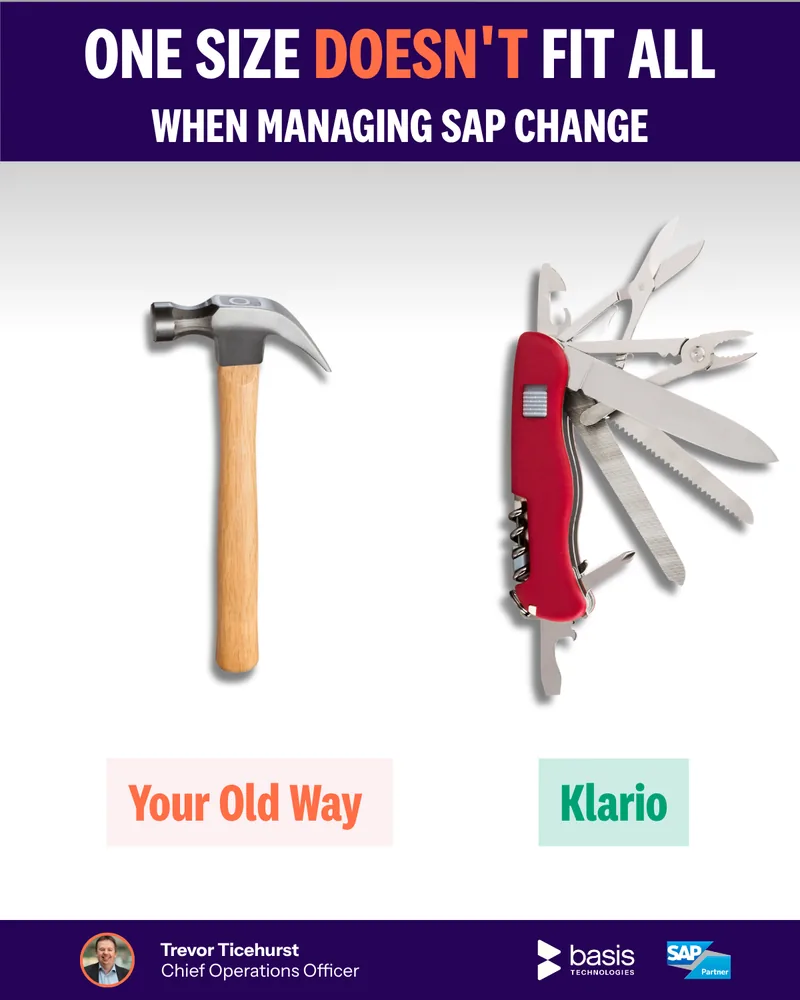
Clean copy with no narrative behind it. It read well, but said nothing your market hadn’t already heard.
You’ve had coaches before
Why this failed
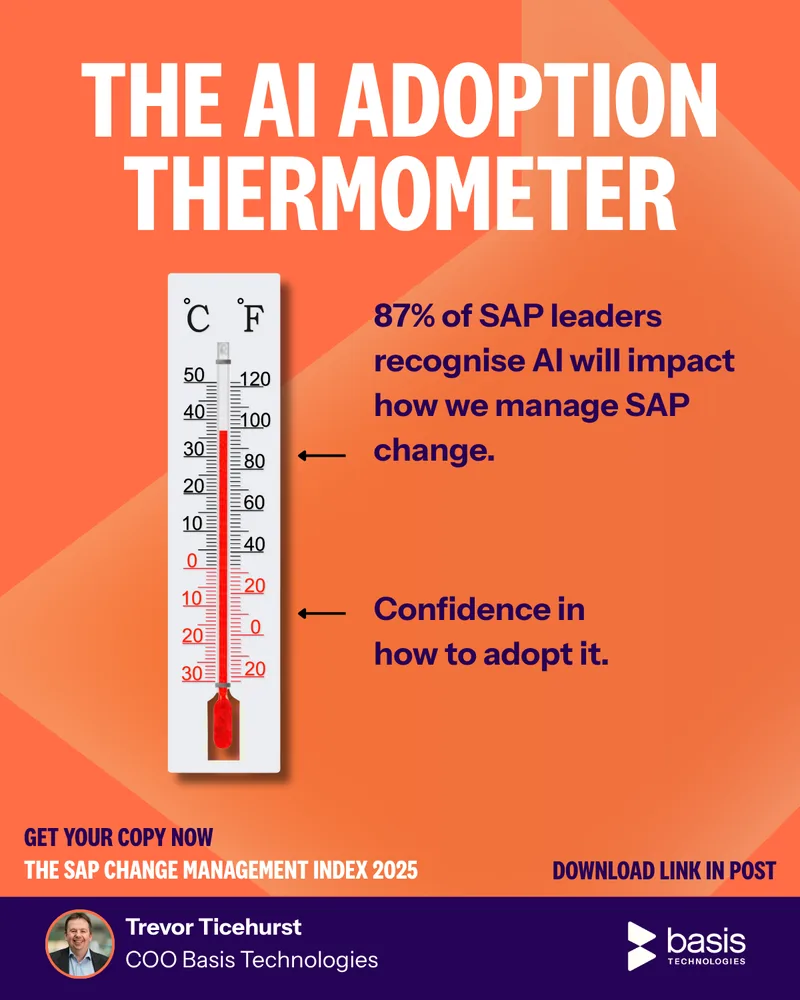
They taught hooks and posting cadence, not a system. Six weeks later the energy evaporated.
It’s endlessly time-consuming
Why this failed
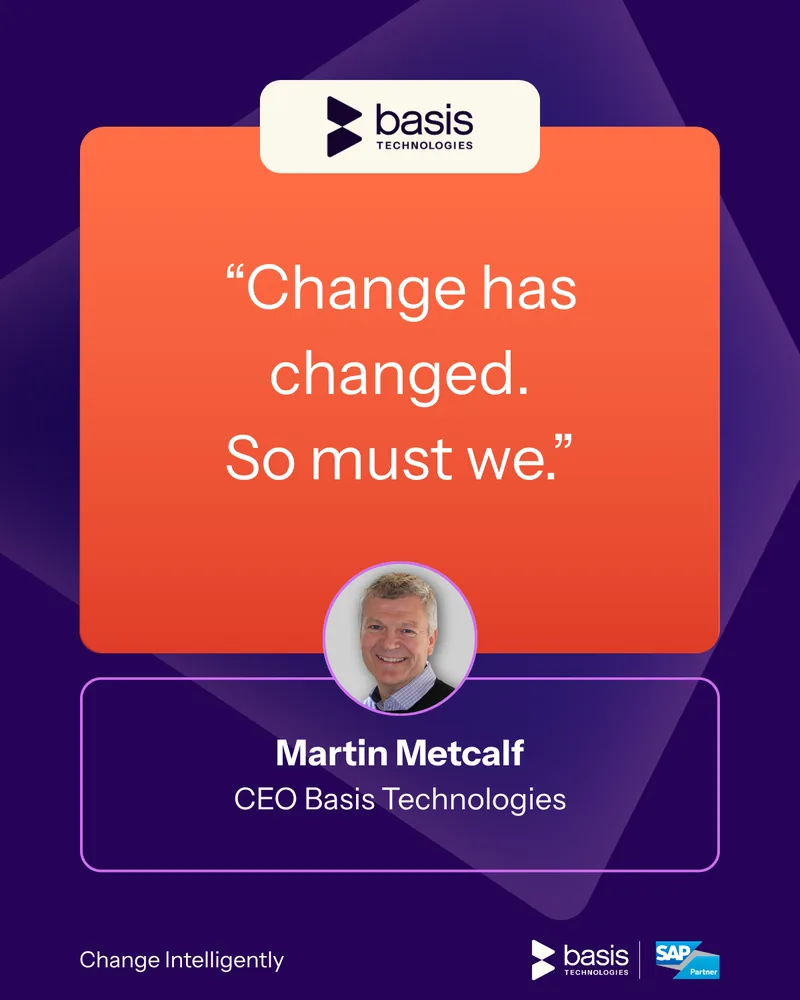
No operating system, so every post stayed a manual decision. Twenty-eight signed up. Four stayed active.
You gave up — while the few who get it fly
Why this failed
You bought slices, not a flywheel. Nothing compounded, so nothing carried itself.
Three things are missing — and they’re the three things nobody sells.
Every failed LinkedIn initiative collapses for the same three reasons. None of them is about content.
1
No narrative spine
Executives don’t share a market-led story, so every post is an isolated take.
2
No operating system
Posting is the visible 10%; the 90% is infrastructure nobody builds.
3
No flywheel
CEO, experts and ADRs work in isolation instead of compounding each other.
One connected system. From boardroom to pipeline.
The companies “flying” on LinkedIn — whose CEOs you keep seeing, whose categories they seem to own, whose ADRs get the replies you can’t — aren’t gifted. They built the flywheel on purpose. Harvey Lee builds it for you, end to end, then hands it back.
Around it all
Operational machinery
- Notion handbooks
- Kanban boards
- Approval flows
- Content calendars
- QBRs
- Reporting
1
Strategic narrative
Market-led positioning (JTBD, STP, category design) + executive ghostwriting in your CEO’s real voice.
2
Employee advocacy with a spine
Matched to each person’s natural style, given content worth being seen with.
3
ADR/SDR enablement
Profiles rebuilt to convert, engagement habits installed, DM playbooks that get replies, scoreboards, manager accountability.
You don’t end up with a more active LinkedIn presence. You end up with a GTM flywheel that compounds week on week, owned by your team, defensible against competitors still posting and hoping.
Why Harvey Lee
The rare combination most LinkedIn services lack.
Most LinkedIn help is a slice of the system — and you’ve probably already bought one.
The personal-brand ghostwriters polish one executive’s profile. One layer. One person. No system beneath them, no team activated, nothing that outlives the retainer.
The content agencies run a content engine for you — and it stops the day you stop paying. No narrative above it, no enablement below it, and you never own it.
The training cohorts put fifteen people through six generic modules. Useful skills. No system. No infrastructure. No flywheel. By month four the energy fades and the spreadsheet gets quietly closed.
Each sells a slice. Harvey builds the whole machine — and hands you the keys.

Harvey is the rare exception, because he’s two things at once that almost nobody in this category is:
A serious marketer first. Thirty years in brand, product marketing and GTM. Strategic-narrative trained. JTBD, STP, category design — the operating frameworks that turn LinkedIn from posting into pipeline. 800+ product marketers personally trained. Trusted by Xbox, Virgin, Kaspersky, Camunda, Basis Technologies, Epson, Seiko, foundit!, MHR and Preply.
A serious practitioner second. Ranked #1 product marketing creator on LinkedIn worldwide. Top 1% of all UK LinkedIn creators. 100,000+ followers. 40,000 newsletter subscribers. 50 million impressions in the last twelve months alone. Brands like Granola, Pitch, Riverside, Miro and Hootsuite pay Harvey to put their products in front of his audience — because the reach is real, the influence is measured, and the audience converts.
A practitioner other practitioners study. One Harvey Lee post crossed four million impressions and became a published case study that other LinkedIn professionals now learn from. Most experts in this category have followers. Harvey has peers who study his work.
Proof, not promises
Don’t take his word for it. Take theirs.
Two companies. Two ends of the same system. Both studies come together in one download — because the system only makes sense when you see both.
Every week you wait, the gap compounds.
LinkedIn rewards consistency exponentially. The people who started six months ago aren’t six months ahead — they’re sixty months ahead. Audience compounds. Credibility compounds. Pipeline compounds. Category position compounds.
What inaction actually costs
1
Your buyers are shortlisting vendors on LinkedIn presence — yours and your competitors’ — without you knowing the conversation is happening.
2
Competitors with stronger discipline are picking up the inbound conversations your sellers should be having.
3
The hires you want are reading your CEO’s profile and deciding whether you look worth joining. Talent follows the visible.
4
Your category language is being defined by whoever’s loudest. If that isn’t you, you’ll compete on someone else’s terms for years.
The cost of inaction isn’t “we’ll start later.” It’s starting from further behind, against competitors who’ve already laid down two years of compound interest.
Stop posting. Start compounding.
Harvey Lee builds the LinkedIn GTM flywheel for B2B companies between 100 and 2,000 people who are tired of buying slices and want a system.
The work covers what nobody else integrates:
Strategic narrative your market repeats
Executive ghostwriting that sounds like your CEO, not your agency
Employee advocacy with a spine
ADR/SDR enablement that produces qualified conversations, not vanity activity
Operational infrastructure that survives the engagement
Capability transfer so your team owns it long after Harvey is gone
You’ll see early movement in weeks.
Category position in months.
A self-sustaining system by handover.
You stop treating LinkedIn like social media. Your competitors find out the hard way.
Three doors. One destination.
Let’s talk!
A 30-minute conversation to see if the flywheel fits. We’ll look at where you are, where the gap is, and which door makes sense.
Book an intake call